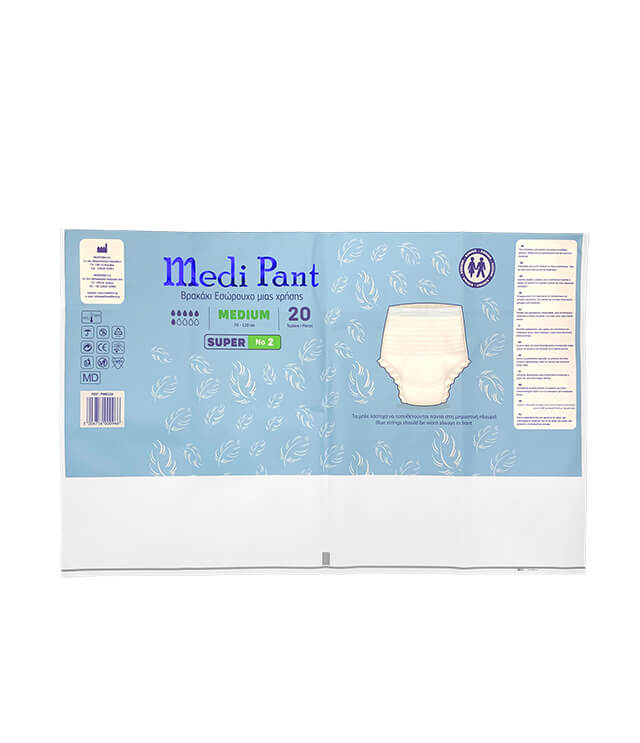
Diaper PE Film: Essential Material for Modern Hygiene Products

# Diaper PE Film: Essential Material for Modern Hygiene Products

Keyword: Diaper PE Film

## Introduction to Diaper PE Film

Diaper PE film, or polyethylene film, plays a crucial role in the manufacturing of modern hygiene products. This thin, flexible plastic material serves as the outer layer of disposable diapers, providing essential protection against leaks while maintaining comfort for the wearer.

## Key Properties of Diaper PE Film

The effectiveness of diaper PE film stems from its unique combination of properties:

– High flexibility for comfortable fit
– Excellent moisture barrier properties
– Breathability to reduce skin irritation
– Soft texture against sensitive skin
– Tear resistance for durability

## Manufacturing Process

The production of diaper PE film involves several precise steps:

1. Polymer extrusion to create the base film
2. Surface treatment for improved bonding
3. Printing (if required for aesthetic purposes)
4. Quality control testing
5. Rolling and packaging for shipment

## Environmental Considerations

As sustainability becomes increasingly important, manufacturers are developing eco-friendly alternatives:

– Biodegradable PE films
– Recycled content materials
– Thinner films that maintain performance while reducing material usage
– Plant-based polyethylene options

## Future Trends in Diaper PE Film Technology

The diaper PE film industry continues to evolve with new developments:

– Enhanced breathability technologies
– Smart films with moisture indicators
– Antibacterial coatings
– Improved stretchability for better fit
– Ultra-thin yet strong film formulations

## Conclusion

Diaper PE film remains an indispensable component in hygiene product manufacturing, combining functionality with comfort. As technology advances, we can expect even more innovative solutions that maintain performance while addressing environmental concerns. The ongoing development of this material ensures that modern diapers continue to meet the highest standards of protection and comfort for users worldwide.

Diaper PE Film: Essential Material for Modern Hygiene Products

# Diaper PE Film: Essential Material for Modern Hygiene Products

## Introduction to Diaper PE Film

Diaper PE film, or polyethylene film, plays a crucial role in the manufacturing of modern hygiene products. This thin, flexible plastic material serves as the outer layer of disposable diapers, providing both protection and comfort for users. As the demand for high-quality hygiene products continues to grow, understanding the importance of PE film becomes essential for manufacturers and consumers alike.

## Key Properties of Diaper PE Film

The effectiveness of diaper PE film stems from its unique combination of properties:

Waterproof barrier: Prevents leakage and keeps the wearer dry

Breathability: Allows air circulation while blocking liquids

Softness: Provides comfort against sensitive skin

Durability: Withstands movement and stress during use

Lightweight: Doesn’t add unnecessary bulk to the diaper

Keyword: Diaper PE Film

## Manufacturing Process

The production of high-quality diaper PE film involves several precise steps:

1.

Polyethylene resin selection based on desired properties

2.

Extrusion through specialized dies to create thin films

3.

Surface treatment for improved adhesion of prints and adhesives

4.

Quality control testing for thickness, strength, and barrier properties

5.

Rolling and packaging for shipment to diaper manufacturers

## Environmental Considerations

As sustainability becomes increasingly important, the diaper industry is exploring eco-friendly alternatives to traditional PE films:

Biodegradable PE films made from plant-based materials

Thinner films that use less material while maintaining performance

Recyclable options that can be processed after use

Innovative coatings that enhance biodegradability

## Future Trends in Diaper PE Film Technology

The diaper PE film industry continues to evolve with new technological advancements:

Smart Films

Researchers are developing films that can change color to indicate wetness or potential skin irritation.

Enhanced Breathability

New microporous structures allow for better air flow while maintaining excellent liquid barrier properties.

Antimicrobial Properties

Incorporating antimicrobial agents directly into the film to provide additional protection against bacteria.

## Conclusion

Diaper PE film remains an indispensable component in modern hygiene products, combining functionality with comfort. As technology advances, we can expect to see continued improvements in performance, sustainability, and user experience. Manufacturers who stay at the forefront of PE film innovation will be well-positioned to meet the evolving needs of consumers worldwide.

Dog Food Packaging Bag Design and Features

Dog Food Packaging Bag Design and Features

# Dog Food Packaging Bag Design and Features

## The Importance of Quality Dog Food Packaging

When it comes to pet nutrition, the packaging plays a crucial role in maintaining freshness and quality. Dog food packaging bags are specifically designed to protect the contents from external factors that could compromise the food’s nutritional value and taste.

Modern dog food packaging goes beyond simple containment – it’s a carefully engineered solution that addresses multiple needs of both pets and their owners.

## Key Design Elements of Dog Food Packaging Bags

### 1. Material Selection

Most high-quality dog food bags utilize multi-layer materials that typically include:

– Outer layer: Durable, printable surface for branding and information
– Middle barrier: Moisture and oxygen protection
– Inner layer: Food-grade material that maintains product safety

### 2. Resealable Features

Convenience is paramount for pet owners, which is why modern packaging includes:

– Zipper closures
– Velcro seals
– Fold-over tops with secure fasteners

### 3. Size Variations

Packaging comes in various sizes to accommodate different needs:

– Small bags (1-5 lbs) for puppies or small breeds
– Medium bags (10-20 lbs) for average households
– Large bags (30-50 lbs) for multi-dog homes or kennels

## Functional Features of Modern Dog Food Bags

### 1. Preservation Technology

Advanced packaging incorporates:

– Oxygen absorbers
– UV protection
– Moisture barriers
– Aroma containment

### 2. User-Friendly Design

Manufacturers focus on practical elements like:

– Easy-pour spouts
– Handles for carrying
– Flat bottoms for stable storage
– Tear notches for easy opening

### 3. Informational Components

Packaging serves as an important communication tool with:

– Feeding guidelines
– Ingredient lists
– Nutritional analysis
– Storage instructions

## Sustainability in Dog Food Packaging

The pet food industry is increasingly adopting eco-friendly solutions:

– Biodegradable materials
– Recyclable components
– Reduced plastic usage
– Compostable options

## Choosing the Right Packaging for Your Needs

When selecting dog food packaging, consider:

– Your dog’s consumption rate
– Storage space available
– Environmental conditions in your home
– Your personal convenience preferences

Quality packaging ensures your dog’s food stays fresh and maintains its nutritional value from the first serving to the last. The right bag design can make feeding time easier while protecting your investment in premium pet nutrition.

Dog Food Packaging Bag Design and Functionality

Dog Food Packaging Bag Design and Functionality

# Dog Food Packaging Bag Design and Functionality

## The Importance of Well-Designed Dog Food Packaging

When it comes to pet food products, packaging plays a crucial role in both protecting the contents and attracting customers. Dog food packaging bags need to balance functionality with visual appeal to stand out in a competitive market while ensuring the product remains fresh and safe for consumption.

## Key Design Elements for Dog Food Packaging Bags

### 1. Material Selection

The choice of material is fundamental to dog food packaging. Most manufacturers use multi-layer laminated films that provide:

– Oxygen barrier properties to prevent spoilage
– Moisture resistance to maintain freshness
– Durability to withstand transportation and handling

### 2. Visual Appeal and Branding

Effective dog food packaging should immediately communicate the product’s quality and benefits through:

– Clear, high-quality imagery of the product or happy dogs
– Distinctive color schemes that align with brand identity
– Legible typography that highlights key information

### 3. Functional Features

Modern dog food bags incorporate various practical elements:

– Resealable closures (zippers or press-seal mechanisms)
– Easy-pour spouts for convenient dispensing
– Handles or grips for better portability
– Tear notches for easy opening

## Technical Considerations in Packaging Design

### 1. Preservation Requirements

Different types of dog food have varying packaging needs:

– Dry kibble requires protection from moisture and oxygen
– Wet food needs airtight, puncture-resistant packaging
– Specialty diets may need UV protection or additional barriers

### 2. Size and Capacity Options

Packaging must accommodate various consumer needs:

– Small bags (1-5 lbs) for trial sizes or small dogs
– Medium bags (10-20 lbs) for average households
– Large bags (30-50 lbs) for multi-dog homes or kennels

### 3. Sustainability Factors

Eco-conscious packaging solutions are becoming increasingly important:

– Biodegradable or compostable materials

– Recyclable components
– Reduced material usage through efficient designs

## Regulatory Compliance and Labeling

All dog food packaging must adhere to strict regulations that require:

– Complete ingredient lists
– Nutritional information
– Feeding guidelines
– Manufacturer contact details
– Proper storage instructions

## Future Trends in Dog Food Packaging

The industry is evolving with several emerging trends:

– Smart packaging with QR codes for detailed product information
– Interactive elements that engage pet owners
– Advanced barrier technologies for extended shelf life
– Minimalist designs that reduce environmental impact

## Conclusion

Effective dog food packaging bag design requires a careful balance between aesthetic appeal, functional performance, and regulatory compliance. As consumer expectations evolve and environmental concerns grow, manufacturers must continue innovating to create packaging solutions that protect the product, attract customers, and minimize ecological impact. The perfect dog food bag combines durability, convenience, and visual appeal to create a positive experience for both pets and their owners.

Dog Food Packaging Bag Design and Features

Dog Food Packaging Bag Design and Features

# Dog Food Packaging Bag Design and Features

## Introduction to Dog Food Packaging

Dog food packaging plays a crucial role in preserving the quality and freshness of pet food while providing essential information to pet owners. The design and features of dog food packaging bags have evolved significantly to meet both functional and aesthetic requirements.

## Key Design Elements of Dog Food Packaging Bags

### 1. Material Selection

Modern dog food packaging bags typically use multi-layer materials that combine:

– Outer layer: Often made of durable, printable materials
– Barrier layer: Usually aluminum foil or special plastics to prevent moisture and oxygen penetration
– Inner layer: Food-grade materials that protect the contents

### 2. Structural Design Features

The structural design of dog food bags includes several important elements:

– Resealable closures (zippers or press-to-seal mechanisms)
– Handles or carrying options
– Stand-up bases for retail display
– Tear notches for easy opening

### 3. Visual Design Components

Effective dog food packaging incorporates:

– Branding elements (logo, colors)
– Product information (ingredients, feeding guidelines)
– Nutritional claims and certifications
– High-quality product photography

## Functional Features of Modern Dog Food Bags

### 1. Preservation Technology

Many premium dog food bags now include:

– Oxygen absorbers
– Moisture barriers
– UV protection
– Aroma containment features

### 2. Convenience Features

Manufacturers have added user-friendly elements such as:

– Measuring cups or portion guides
– Easy-pour spouts
– Transparent windows to view contents
– QR codes for additional information

### 3. Sustainability Considerations

Eco-conscious packaging solutions include:

– Biodegradable materials
– Recyclable components
– Reduced plastic content
– Compostable options

## Trends in Dog Food Packaging Design

The pet food packaging industry is seeing several emerging trends:

– Minimalist designs with clear product information
– Premium finishes (matte, gloss, or textured surfaces)
– Smart packaging with tracking capabilities
– Custom shapes and sizes for different dog breeds

## Choosing the Right Packaging for Your Dog Food

When selecting packaging for dog food, consider:

– The type of food (dry, wet, or semi-moist)
– Shelf life requirements
– Target market preferences
– Distribution channels (retail vs. online)
– Budget constraints

## Conclusion

Dog food packaging bag design has become increasingly sophisticated, balancing functionality with visual appeal. As pet owners become more discerning, manufacturers continue to innovate with materials, features, and designs that protect food quality while enhancing the consumer experience. The right packaging can significantly impact product success in the competitive pet food market.

Dog Food Packaging Bag Design and Features

Dog Food Packaging Bag Design and Features

# Dog Food Packaging Bag Design and Features

## The Importance of Quality Dog Food Packaging

When it comes to pet food, packaging plays a crucial role in maintaining freshness and quality. Dog food packaging bags are specifically designed to protect the contents from external factors that could compromise the nutritional value and taste of the food. Modern packaging solutions combine functionality with aesthetic appeal to attract pet owners while ensuring the product remains safe and fresh.

## Key Features of Dog Food Packaging Bags

### 1. Material Composition

Most high-quality dog food packaging bags are made from multi-layer materials that typically include:

– Outer layer: Polyester or nylon for durability
– Middle layer: Aluminum foil or metallized film for barrier protection
– Inner layer: Food-grade polyethylene for direct contact with the product

### 2. Barrier Protection

Effective dog food packaging must provide:

– Oxygen barrier to prevent oxidation
– Moisture barrier to maintain crispness

– Light barrier to protect against UV degradation
– Aroma barrier to preserve food scent

### 3. Resealable Features

Modern packaging often includes:

– Zipper closures for easy opening and resealing
– Velcro strips for secure closure
– Fold-over tops with adhesive strips

## Design Considerations for Dog Food Bags

### Visual Appeal

Packaging design should:

– Clearly display brand identity
– Feature high-quality product images
– Use colors that appeal to pet owners
– Include nutritional information prominently

### Functional Elements

Practical design aspects include:

– Easy-to-carry handles
– Tear notches for clean opening
– Bottom gussets for stability
– Measurement markings for portion control

## Sustainability in Dog Food Packaging

Eco-conscious packaging options are becoming increasingly popular:

– Biodegradable materials
– Recyclable components
– Reduced plastic usage
– Compostable alternatives

## Choosing the Right Packaging for Your Product

When selecting dog food packaging, consider:

– Product shelf life requirements
– Target market preferences
– Distribution channel needs
– Budget constraints
– Environmental impact

Quality dog food packaging bags serve as the first line of defense in preserving your product’s quality while communicating your brand values to consumers. By combining functional materials with thoughtful design, manufacturers can create packaging solutions that protect the food, appeal to customers, and stand out on retail shelves.

Sustainable Pet Food Packaging Bags for Eco-Friendly Pet Care

Sustainable Pet Food Packaging Bags for Eco-Friendly Pet Care

# Sustainable Pet Food Packaging Bags for Eco-Friendly Pet Care

## The Importance of Eco-Friendly Pet Food Packaging

As pet owners become increasingly conscious of their environmental impact, the demand for sustainable pet food packaging bags has grown significantly. Traditional plastic packaging contributes to pollution and takes hundreds of years to decompose, making eco-friendly alternatives essential for responsible pet care.

## What Makes Pet Food Packaging Sustainable?

Sustainable pet food packaging bags typically feature:

– Biodegradable or compostable materials
– Recycled content
– Minimalist designs to reduce waste
– Reusable features
– Non-toxic inks and adhesives

## Popular Materials for Eco-Conscious Packaging

### 1. Plant-Based Plastics

These innovative materials derived from corn, sugarcane, or other plant sources offer similar functionality to traditional plastics but with much lower environmental impact.

### 2. Recycled Materials

Post-consumer recycled plastics and papers give new life to existing materials while reducing the need for virgin resources.

### 3. Paper-Based Solutions

Kraft paper and other paper-based packaging options provide excellent biodegradability when properly treated for food safety.

## Benefits of Switching to Sustainable Pet Food Bags

Choosing eco-friendly pet food packaging offers numerous advantages:

– Reduced carbon footprint
– Less waste in landfills
– Safer for pets and the environment
– Aligns with consumer values
– Potential cost savings through material efficiency

## How to Identify Truly Sustainable Options

When selecting pet food packaging bags, look for:

– Third-party certifications (e.g., BPI, FSC)
– Clear recycling instructions
– Transparent material sourcing
– Minimal layers and components
– Proper food-grade safety standards

## The Future of Pet Food Packaging

Innovations in sustainable packaging continue to emerge, including:

– Edible packaging materials
– Water-soluble films
– Mushroom-based packaging
– Advanced recycling technologies
– Smart packaging that extends freshness

## Making the Switch: Tips for Pet Owners

Transitioning to sustainable pet food packaging is easier than you might think:

– Start by choosing brands that prioritize eco-friendly packaging
– Properly clean and recycle packaging when possible
– Consider bulk purchases to reduce packaging waste
– Support companies investing in sustainable innovations
– Spread awareness among fellow pet owners

By choosing sustainable pet food packaging bags, we can provide excellent care for our pets while protecting the planet they call home too. Every small change contributes to a healthier environment for future generations of pets and their owners.

Sustainable Pet Food Packaging Bags for Eco-Friendly Pet Care

Sustainable Pet Food Packaging Bags for Eco-Friendly Pet Care

# Sustainable Pet Food Packaging Bags for Eco-Friendly Pet Care

## The Importance of Eco-Friendly Pet Food Packaging

As pet owners become more environmentally conscious, the demand for sustainable pet food packaging bags has grown significantly. Traditional plastic packaging contributes to pollution and takes hundreds of years to decompose, making it crucial to explore greener alternatives for our furry friends’ nutrition.

## What Makes Pet Food Packaging Sustainable?

Sustainable pet food packaging bags typically feature:

– Biodegradable or compostable materials
– Recycled content
– Minimalist designs to reduce waste
– Reusable or refillable options
– Non-toxic inks and adhesives

## Popular Materials for Eco-Conscious Packaging

### 1. Plant-Based Plastics (PLA)

Derived from corn starch or sugarcane, these bioplastics offer similar functionality to traditional plastics but with a much lower environmental impact.

### 2. Recycled Materials

Many manufacturers now use post-consumer recycled (PCR) plastics or paper products to create new packaging while reducing waste.

### 3. Paper-Based Solutions

Innovative paper packaging with protective coatings can provide adequate barrier properties while remaining compostable or recyclable.

## Benefits of Switching to Sustainable Options

Choosing eco-friendly pet food packaging bags offers multiple advantages:

– Reduces plastic waste in landfills and oceans
– Lowers carbon footprint of pet care products
– Often uses safer materials free from harmful chemicals
– Supports the circular economy
– Aligns with consumer values and brand sustainability goals

## How to Identify Truly Sustainable Packaging

When shopping for eco-friendly pet food packaging, look for:

– Third-party certifications (e.g., BPI, FSC)
– Clear recycling or composting instructions
– Transparency about material sources
– Minimal packaging layers
– Local production to reduce transportation emissions

## The Future of Pet Food Packaging

Innovations in sustainable packaging continue to emerge, including:

– Edible packaging made from seaweed or other natural materials
– Smart packaging that extends shelf life naturally
– Mushroom-based protective materials
– Packaging that dissolves in water after use

By choosing sustainable pet food packaging bags, pet owners can care for their animals while protecting the planet—a true win-win for eco-conscious pet lovers everywhere.

Oolong Tea’s Impact on Metabolic Rate and Fat Oxidation

Oolong Tea's Impact on Metabolic Rate and Fat Oxidation

# Oolong Tea’s Impact on Metabolic Rate and Fat Oxidation

## Introduction

Oolong tea, a traditional Chinese tea with a rich history, has gained significant attention in recent years for its potential health benefits, particularly in relation to metabolism and fat oxidation. This semi-oxidized tea sits between green and black tea in terms of processing and flavor profile, offering unique compounds that may influence metabolic processes.

## Understanding Oolong Tea’s Composition

Oolong tea contains a variety of bioactive compounds that contribute to its metabolic effects:

– Polyphenols (especially catechins and theaflavins)
– Caffeine
– Theanine
– Various minerals and vitamins

The combination of these compounds creates what researchers call the “oolong tea effect” on metabolism.

## How Oolong Tea Affects Metabolic Rate

Several studies have demonstrated oolong tea’s ability to enhance metabolic rate:

### Thermogenic Properties

Research shows that oolong tea can increase energy expenditure by 3-10% above baseline levels. This thermogenic effect appears to be more pronounced than that of green tea, possibly due to oolong’s unique polyphenol profile.

### Caffeine and Catechin Synergy

The caffeine in oolong tea works synergistically with its polyphenols to:

– Stimulate the nervous system
– Enhance fat mobilization from adipose tissue
– Increase the utilization of fatty acids for energy

## Oolong Tea and Fat Oxidation

Beyond simply increasing metabolic rate, oolong tea appears to specifically enhance fat oxidation:

### Enhanced Lipid Metabolism

Clinical trials have shown that regular oolong tea consumption can increase fat oxidation rates by up to 12% during rest and even more during exercise. This effect is particularly noticeable in individuals with higher body fat percentages.

### Impact on Digestive Enzymes

Oolong tea may inhibit certain digestive enzymes that break down fats and carbohydrates, potentially reducing calorie absorption from meals.

## Scientific Evidence Supporting These Claims

Several notable studies support oolong tea’s metabolic benefits:

– A 2001 study published in the Journal of Nutrition found that oolong tea increased energy expenditure by 2.9% and fat oxidation by 12% compared to water.
– Research from the University of Tokushima showed that oolong tea consumption led to greater fat burning than green tea in some individuals.
– A 2009 Chinese study demonstrated that regular oolong tea drinkers had lower body fat percentages and smaller waist circumferences than non-tea drinkers.

## Practical Recommendations

To maximize oolong tea’s metabolic benefits:

– Consume 2-4 cups daily (about 300-600ml)
– Drink before or between meals for optimal fat oxidation effects
– Choose high-quality, traditionally processed oolong teas
– Avoid adding sugar or milk which may counteract some benefits

## Potential Considerations

While generally safe, some individuals should exercise caution:

– Those sensitive to caffeine may experience sleep disturbances
– People with iron deficiency should consume tea between meals
– Individuals with certain medical conditions should consult their doctor

## Conclusion

Oolong tea presents a promising, natural way to support metabolic health and fat oxidation. While not a magic solution for weight loss, when combined with a balanced diet and regular exercise, it may provide measurable benefits for those looking to optimize their metabolism. As with any dietary change, consistency and moderation are key to experiencing oolong tea’s full potential effects.

纵横海鸥的翱翔之旅

# 纵横海鸥的翱翔之旅

## 海天之间的自由精灵

在浩瀚无垠的海天交界处,一群纵横海鸥正展开它们优雅的翅膀,在咸涩的海风中划出完美的弧线。这些白色精灵是海洋最忠实的伴侣,它们用生命诠释着自由的真谛。

独特的生存智慧

纵横海鸥拥有令人惊叹的生存智慧。它们能够精准判断风向和气流,利用上升暖流节省体力,有时甚至可以连续飞行数小时而不扇动一次翅膀。这种高超的飞行技巧让它们成为海洋上空最有效率的猎手。

更神奇的是,纵横海鸥能够通过观察海浪的形态判断鱼群的位置。它们会跟随渔船,却始终保持安全距离,展现出野生动物与人类相处的微妙平衡。

迁徙中的生命史诗

每年春秋两季,纵横海鸥都会进行壮观的长途迁徙。它们沿着固定的”空中高速公路”飞行,有些个体甚至能跨越半个地球。科学家发现,这些海鸥具有惊人的导航能力,能够利用太阳、星星和地球磁场来确定方向。

在迁徙途中,年轻的纵横海鸥会跟随年长者学习飞行路线和觅食技巧。这种代际间的知识传递,确保了整个种群的生存智慧得以延续。

海洋生态的晴雨表

作为顶级捕食者,纵横海鸥的数量和健康状况直接反映了海洋生态系统的平衡程度。近年来,由于海洋污染和过度捕捞,部分地区的海鸥种群数量出现了明显下降。

环保组织已经开始监测纵横海鸥的迁徙路线和繁殖地,通过这些数据来评估海洋环境的变化。保护这些白色使者,就是在保护我们共同的蓝色家园。

Keyword: 纵横海鸥

与人类的不解之缘

自古以来,纵横海鸥就与沿海居民建立了特殊联系。渔民视它们为吉祥的象征,诗人将它们写入诗篇,画家用画笔记录它们翱翔的英姿。在现代城市中,海鸥的鸣叫成为海滨最动人的背景音乐。

然而,随着城市化进程加快,海鸥与人类的冲突也日益增多。如何在与野生动物共享空间的同时保持生态平衡,成为我们面临的新课题。

纵横海鸥的翱翔之旅仍在继续,它们的身影将永远点缀着海天之间的壮丽画卷。当我们仰望这些自由精灵时,或许能从中获得关于生命、坚持与和谐的深刻启示。