Oncology Peptides for Purchase

Oncology Peptides for Purchase

# Oncology Peptides for Purchase

## Introduction to Oncology Peptides

Oncology peptides are short chains of amino acids that play a crucial role in cancer research and treatment. These peptides are designed to target specific cancer cells, making them a valuable tool in both therapeutic and diagnostic applications. Researchers and pharmaceutical companies often seek high-quality oncology peptides to advance their studies and develop new treatments.

## Why Buy Oncology-Related Peptides?

Purchasing oncology-related peptides can significantly accelerate cancer research. These peptides are used in various applications, including:

– Drug development and testing
– Targeted therapy research
– Diagnostic tool development
– Immunotherapy studies

By buying high-purity peptides, researchers ensure the reliability and reproducibility of their experiments, leading to more accurate results and faster breakthroughs.

## Types of Oncology Peptides Available

Several types of oncology peptides are available for purchase, each serving a unique purpose in cancer research:

### Tumor-Targeting Peptides

These peptides are designed to bind specifically to cancer cells, allowing for targeted drug delivery and imaging.

### Immunomodulatory Peptides

These peptides help modulate the immune system’s response to cancer, enhancing the body’s natural ability to fight tumors.

### Antiangiogenic Peptides

These peptides inhibit the formation of new blood vessels in tumors, effectively starving them of nutrients and oxygen.

## Quality Considerations When Buying Oncology Peptides

When purchasing oncology peptides, it’s essential to consider several factors to ensure you’re getting a high-quality product:

– Purity levels (typically >95% for research purposes)
– Proper synthesis and purification methods
– Reputable suppliers with a track record in peptide production
– Detailed product specifications and certificates of analysis

## Applications in Cancer Research

Oncology peptides have a wide range of applications in cancer research:

In preclinical studies, these peptides help researchers understand tumor biology and test potential treatments. Clinical applications include the development of peptide-based drugs that can specifically target cancer cells while minimizing damage to healthy tissue. Additionally, diagnostic peptides are used in imaging techniques to detect tumors at early stages.

## Where to Buy Oncology Peptides

Several reputable suppliers specialize in oncology-related peptides. When choosing a supplier, consider:

– Their experience in peptide synthesis
– Quality control measures
– Customer reviews and testimonials
– Ability to provide custom peptide synthesis services

Many suppliers offer both catalog peptides and custom synthesis options to meet specific research needs.

## Future of Peptide-Based Cancer Therapies

The field of peptide-based cancer therapies is rapidly evolving. Researchers are developing more stable and effective peptides with improved targeting capabilities. As our understanding of cancer biology grows, so does the potential for innovative peptide-based treatments that could revolutionize cancer care.

Investing in high-quality oncology peptides today contributes to the development of tomorrow’s breakthrough cancer treatments. Whether for basic research or therapeutic development, these specialized peptides remain an essential tool in the fight against cancer.

Targeted Peptide Therapy for Cancer Treatment

Targeted Peptide Therapy for Cancer Treatment

# Targeted Peptide Therapy for Cancer Treatment

## Introduction to Targeted Peptide Therapy

Cancer remains one of the most challenging diseases to treat, with conventional therapies often causing significant side effects. Targeted peptide therapy has emerged as a promising approach in oncology, offering a more precise and less toxic alternative to traditional treatments.

## How Targeted Peptide Therapy Works

Targeted peptide therapy utilizes small protein fragments (peptides) that can specifically recognize and bind to cancer cells. These peptides are designed to:

– Identify unique molecular markers on cancer cell surfaces
– Deliver therapeutic agents directly to tumor cells
– Minimize damage to healthy tissues
– Overcome drug resistance mechanisms

## Advantages Over Conventional Treatments

Compared to traditional chemotherapy and radiation, targeted peptide therapy offers several benefits:

Precision Targeting

Peptides can be engineered to bind specifically to receptors overexpressed on cancer cells, reducing off-target effects.

Reduced Toxicity

By concentrating the therapeutic effect on cancer cells, healthy tissues experience less damage.

Enhanced Drug Delivery

Peptides can serve as carriers for cytotoxic drugs, improving their delivery to tumor sites.

## Current Applications in Cancer Treatment

Researchers are exploring various applications of targeted peptide therapy:

### 1. Peptide-Drug Conjugates

Combining targeting peptides with chemotherapy drugs to create more effective and less toxic treatments.

### 2. Peptide Vaccines

Stimulating the immune system to recognize and attack cancer cells bearing specific peptide markers.

### 3. Diagnostic Imaging

Using labeled peptides to detect and monitor tumors through imaging techniques.

## Challenges and Future Directions

While promising, targeted peptide therapy faces several challenges:

– Rapid degradation of peptides in the body
– Limited tumor penetration in some cases

– Potential for immune system recognition
– High development costs

Future research focuses on improving peptide stability, enhancing tumor penetration, and developing combination therapies with other treatment modalities.

## Conclusion

Targeted peptide therapy represents a significant advancement in cancer treatment, offering the potential for more effective and less toxic therapies. As research progresses, we can expect to see more peptide-based treatments entering clinical practice, providing new hope for cancer patients worldwide.

Endotoxin Testing with LAL Reagents: Principles and Applications

Endotoxin Testing with LAL Reagents: Principles and Applications

# Endotoxin Testing with LAL Reagents: Principles and Applications

## Introduction to Endotoxin Testing

Endotoxin testing is a critical quality control procedure in the pharmaceutical and medical device industries. Bacterial endotoxins, which are lipopolysaccharides (LPS) found in the outer membrane of Gram-negative bacteria, can cause severe pyrogenic reactions in humans when present in injectable drugs or medical devices.

The Limulus Amebocyte Lysate (LAL) test has become the gold standard for endotoxin detection due to its high sensitivity and specificity. This article explores the principles behind LAL reagents and their applications in modern healthcare manufacturing.

## Understanding LAL Reagents

LAL reagents are derived from the blood cells (amebocytes) of the horseshoe crab (Limulus polyphemus). These reagents contain a cascade of enzymes that react specifically with bacterial endotoxins, making them ideal for detection purposes.

There are three main types of LAL reagents used in endotoxin testing:

– Gel-clot LAL reagents
– Turbidimetric LAL reagents
– Chromogenic LAL reagents

Each type offers different advantages depending on the specific testing requirements and regulatory guidelines.

## The Science Behind LAL Testing

The LAL test works through a series of enzymatic reactions. When endotoxin comes into contact with LAL reagent, it triggers the activation of factor C, which then activates factor B. This cascade ultimately leads to the activation of the clotting enzyme, which cleaves coagulogen to form coagulin gel.

The sensitivity of this reaction allows for detection of endotoxin at concentrations as low as 0.005 EU/mL (Endotoxin Units per milliliter), making it significantly more sensitive than the previously used rabbit pyrogen test.

## Applications in Pharmaceutical Manufacturing

LAL testing with LAL reagents has become indispensable in several areas:

– Quality control of parenteral drugs
– Medical device testing
– Raw material screening
– Water system monitoring
– Process validation

Regulatory agencies worldwide, including the FDA and EMA, require endotoxin testing for products that come into contact with the bloodstream or cerebrospinal fluid.

## Advantages of LAL Testing

Compared to traditional pyrogen testing methods, LAL reagents offer several significant benefits:

– Higher sensitivity and specificity
– Quantitative results
– Faster turnaround time

– Reduced animal testing
– Better reproducibility
– Lower cost per test

These advantages have made LAL testing the preferred method for endotoxin detection in modern pharmaceutical quality control systems.

## Regulatory Considerations

When implementing LAL testing, manufacturers must comply with various pharmacopeial standards:

– United States Pharmacopeia (USP)
– European Pharmacopoeia (EP) 2.6.14
– Japanese Pharmacopoeia (JP) 4.01

Proper validation of the LAL test method is essential, including demonstration of specificity, accuracy, precision, linearity, and range. The test must also be performed in a controlled environment to prevent contamination that could lead to false positives.

## Future Developments in Endotoxin Testing

While LAL reagents remain the standard for endotoxin detection, research continues into alternative methods:

– Recombinant factor C (rFC) assays
– Mass spectrometry techniques
– Biosensor technologies

These emerging technologies aim to address concerns about horseshoe crab conservation while maintaining or improving upon the sensitivity and reliability of traditional LAL testing.

## Conclusion

LAL reagents for endotoxin testing represent a remarkable convergence of marine biology and pharmaceutical science. Their unique properties have revolutionized quality control in the healthcare industry, ensuring the safety of injectable drugs and medical devices. As technology advances, the principles established by LAL testing will continue to guide the development of even more sophisticated endotoxin detection methods.

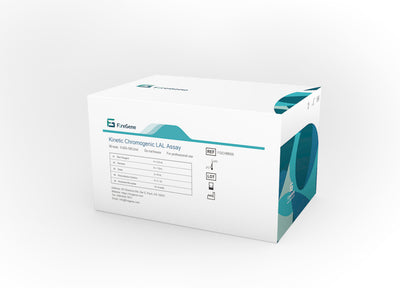
Limulus Amebocyte Lysate (LAL) Reagents for Endotoxin Detection

Limulus Amebocyte Lysate (LAL) Reagents for Endotoxin Detection

本身

html

Limulus Amebocyte Lysate (LAL) Reagents for Endotoxin Detection

Endotoxins, also known as lipopolysaccharides (LPS), are harmful substances found in the outer membrane of Gram-negative bacteria. Their presence in pharmaceuticals, medical devices, or other sterile products can lead to severe health risks, including fever, septic shock, and even death. To ensure safety, the detection and quantification of endotoxins are critical in the pharmaceutical and medical industries. One of the most reliable methods for this purpose is the use of Limulus Amebocyte Lysate (LAL) reagents.

What Are LAL Reagents?

LAL reagents are derived from the blood cells (amebocytes) of the horseshoe crab (Limulus polyphemus). These reagents react with bacterial endotoxins, forming a gel or producing a color change, depending on the test method used. The LAL test is highly sensitive and specific, making it the gold standard for endotoxin detection in various applications.

Types of LAL Reagents

There are three primary types of LAL reagents used for endotoxin testing:

  • Gel-Clot LAL: This is the simplest and oldest form of the test. It detects endotoxins by forming a gel clot in the presence of LPS. The test provides a qualitative or semi-quantitative result.
  • Chromogenic LAL: This method uses a synthetic chromogenic substrate that releases a yellow color when cleaved by an enzyme activated by endotoxins. The intensity of the color is measured spectrophotometrically to quantify endotoxin levels.
  • Turbidimetric LAL: In this method, the formation of turbidity (cloudiness) due to endotoxin-induced clotting is measured over time. The rate of turbidity increase is proportional to the endotoxin concentration.

Applications of LAL Reagents

LAL reagents are widely used in various industries, including:

  • Pharmaceuticals: Ensuring injectable drugs, vaccines, and medical devices are free from endotoxins.
  • Biotechnology: Testing recombinant proteins, cell therapies, and other biologics.
  • Medical Devices: Validating the sterility of implants, catheters, and surgical instruments.
  • Water Testing: Detecting endotoxins in dialysis water and other critical water sources.

Advantages of LAL Testing

The LAL test offers several benefits over other endotoxin detection methods:

  • High Sensitivity: Capable of detecting endotoxins at very low concentrations (as low as 0.001 EU/mL).
  • Rapid Results: Provides quick and reliable outcomes, often within 60 minutes.
  • Regulatory Compliance: Approved by major regulatory agencies, including the FDA, USP, and EP.
  • Versatility: Suitable for a wide range of sample types, including liquids, solids, and gases.

Conclusion

Limulus Amebocyte Lysate (LAL) reagents are indispensable tools for endotoxin detection in critical industries. Their high sensitivity, reliability, and regulatory acceptance make them the preferred choice for ensuring product safety. Whether you’re in pharmaceuticals

Endotoxin Detection Using LAL Reagents: Methods and Applications

Endotoxin Detection Using LAL Reagents: Methods and Applications

# Endotoxin Detection Using LAL Reagents: Methods and Applications

## Introduction

Endotoxins, also known as lipopolysaccharides (LPS), are toxic components found in the outer membrane of Gram-negative bacteria. Their presence in pharmaceuticals, medical devices, and other healthcare products can lead to severe pyrogenic reactions in humans. The Limulus Amebocyte Lysate (LAL) test has become the gold standard for endotoxin detection due to its high sensitivity and specificity.

## Understanding LAL Reagents

LAL reagents are derived from the blood cells (amebocytes) of the horseshoe crab (Limulus polyphemus). These reagents contain a cascade of enzymes that react specifically with endotoxins, making them ideal for detection purposes. There are three main types of LAL reagents:

– Gel-clot LAL
– Turbidimetric LAL
– Chromogenic LAL

Each type offers different advantages depending on the application and required sensitivity.

## Methods of Endotoxin Detection Using LAL

### 1. Gel-Clot Method

The gel-clot method is the simplest and most traditional LAL test. It involves mixing the sample with LAL reagent and observing whether a gel forms, indicating the presence of endotoxins. This qualitative or semi-quantitative method is particularly useful for pass/fail determinations.

### 2. Turbidimetric Method

This quantitative method measures the increase in turbidity caused by the reaction between endotoxins and LAL reagent. There are two approaches:

– Endpoint turbidimetric: Measures turbidity at a fixed time point
– Kinetic turbidimetric: Continuously monitors turbidity over time

### 3. Chromogenic Method

The chromogenic method uses a synthetic chromogenic substrate that releases a colored compound when cleaved by enzymes in the LAL cascade. Like the turbidimetric method, it can be performed as either endpoint or kinetic assays, offering high sensitivity and precision.

## Applications of LAL Testing

LAL testing has become indispensable in various industries:

### Pharmaceutical Industry

– Quality control of parenteral drugs
– Testing of raw materials and excipients
– Monitoring of water systems used in manufacturing

### Medical Device Manufacturing

– Detection of endotoxins on implantable devices
– Testing of dialysis equipment
– Validation of sterilization processes

### Biotechnology

– Monitoring of cell culture media
– Testing of recombinant proteins
– Quality control of vaccines

## Advantages of LAL Testing

The widespread adoption of LAL reagents for endotoxin testing can be attributed to several key advantages:

– High sensitivity (detection down to 0.001 EU/mL)
– Specificity for endotoxins
– Rapid results compared to rabbit pyrogen tests
– Cost-effectiveness
– Compatibility with various sample matrices

## Regulatory Considerations

LAL testing is recognized by major pharmacopeias and regulatory agencies worldwide:

– United States Pharmacopeia (USP)
– European Pharmacopoeia (EP) 2.6.14
– Japanese Pharmacopoeia (JP) 4.01
– FDA guidelines for endotoxin testing

Proper validation of the LAL test method is essential to ensure compliance with these regulatory requirements.

## Future Perspectives

While LAL testing remains the gold standard, researchers are exploring:

– Alternative methods to reduce reliance on horseshoe crabs
– Improved recombinant factor C assays
– Development of more sensitive detection technologies
– Automation of LAL testing processes

## Conclusion

LAL reagents provide a reliable, sensitive, and specific method for endotoxin detection across various industries. As regulatory requirements become more stringent and the demand for safer medical products increases, the importance of proper endotoxin testing using LAL reagents will continue to grow. Understanding the different methods and applications of LAL testing is crucial for professionals in pharmaceutical, medical device, and biotechnology fields.

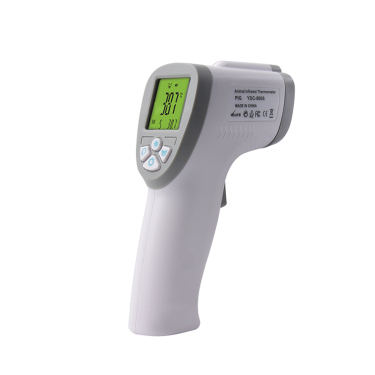
Infrared Thermometer: Accurate and Non-Contact Temperature Measurement

Infrared Thermometer: Accurate and Non-Contact Temperature Measurement

# Infrared Thermometer: Accurate and Non-Contact Temperature Measurement

## What is an Infrared Thermometer?

An infrared thermometer is a device that measures temperature from a distance by detecting the infrared energy emitted by an object. Unlike traditional thermometers that require physical contact, infrared thermometers provide a non-invasive and quick way to measure surface temperatures.

## How Does an Infrared Thermometer Work?

Infrared thermometers operate on the principle of black body radiation. All objects above absolute zero (-273.15°C or -459.67°F) emit infrared energy. The thermometer’s optical system collects this infrared radiation and focuses it onto a detector, which converts the energy into an electrical signal. This signal is then processed and displayed as a temperature reading.

Key components of an infrared thermometer include:

– Optical system (lens)
– Infrared detector
– Signal processing unit
– Display screen

## Advantages of Using Infrared Thermometers

Infrared thermometers offer several benefits over traditional contact thermometers:

– Non-contact measurement: Ideal for measuring temperatures of moving, dangerous, or hard-to-reach objects
– Fast readings: Provides temperature measurements in seconds
– Hygienic: No risk of cross-contamination between measurements
– Wide temperature range: Can measure extremely high or low temperatures safely
– Versatile: Suitable for various applications in different industries

## Common Applications of Infrared Thermometers

Infrared thermometers are used in numerous fields:

### Medical Applications

– Measuring human body temperature (especially during fever screenings)
– Detecting inflammation in tissues
– Monitoring wound healing progress

### Industrial Uses

– Monitoring equipment temperature in manufacturing plants
– Checking electrical components for overheating
– Measuring surface temperatures in metalworking

### Food Service

– Ensuring proper food storage temperatures
– Checking cooking surfaces and grills
– Verifying serving temperatures

### HVAC and Building Maintenance

– Detecting heat loss in buildings
– Checking insulation effectiveness
– Monitoring HVAC system performance

## Choosing the Right Infrared Thermometer

When selecting an infrared thermometer, consider these factors:

– Temperature range: Ensure it covers your required measurement range
– Distance-to-spot ratio: Determines the measurement area at a given distance
– Emissivity settings: Important for measuring different surface types
– Response time: How quickly it provides readings
– Additional features: Data logging, alarms, or connectivity options

## Proper Use and Maintenance

To ensure accurate measurements:

– Keep the lens clean and free from scratches
– Store in a protective case when not in use
– Avoid extreme temperature changes that could affect calibration
– Follow manufacturer’s instructions for optimal use
– Periodically check calibration against known temperature sources

## Safety Considerations

While infrared thermometers are generally safe, keep these points in mind:

– Never point at people’s eyes
– Be cautious when measuring very hot surfaces
– Understand the limitations of non-contact measurements
– Follow all manufacturer safety guidelines

Infrared thermometers have revolutionized temperature measurement across various industries, offering a safe, quick, and accurate alternative to traditional methods. Whether for medical, industrial, or home use, these devices provide valuable temperature data without the need for physical contact. By understanding their operation and proper use, you can maximize the benefits of this innovative technology in your specific application.

Infrared Thermometer: A Comprehensive Guide to Non-Contact Temperature Measurement

Infrared Thermometer: A Comprehensive Guide to Non-Contact Temperature Measurement

# Infrared Thermometer: A Comprehensive Guide to Non-Contact Temperature Measurement

## Introduction to Infrared Thermometers

Infrared thermometers, also known as non-contact thermometers or laser thermometers, have revolutionized temperature measurement across various industries. These innovative devices allow users to measure surface temperatures without physical contact, making them ideal for applications where traditional thermometers would be impractical or unsafe.

## How Infrared Thermometers Work

Infrared thermometers operate on a simple yet sophisticated principle: all objects emit infrared energy as a function of their temperature. These devices detect this infrared radiation and convert it into an electrical signal, which is then processed to display a temperature reading.

The key components of an infrared thermometer include:

– Optical system to collect infrared energy
– Detector to convert infrared energy to electrical signals
– Signal processing unit
– Display unit

## Advantages of Using Infrared Thermometers

Non-contact temperature measurement offers numerous benefits:

– Safety: Measure temperatures of hazardous or hard-to-reach objects without risk
– Speed: Get instant readings without waiting for thermal equilibrium
– Hygiene: Ideal for medical and food service applications where contamination must be avoided
– Versatility: Measure moving objects or surfaces that would damage contact probes
– Efficiency: Scan large areas quickly for temperature variations

## Common Applications

Infrared thermometers find use in diverse fields:

### Industrial Applications

– Monitoring equipment temperatures in manufacturing plants

– Electrical maintenance and troubleshooting
– HVAC system inspections
– Automotive diagnostics

### Medical Applications

– Body temperature screening (especially important during pandemics)
– Veterinary medicine
– Monitoring wound healing processes

### Food Service and Safety

– Checking food temperatures without contamination
– Monitoring refrigeration units
– Ensuring proper cooking temperatures

### Home and DIY Uses

– Checking insulation efficiency
– Detecting heat leaks
– Electronics troubleshooting
– Cooking and baking applications

## Choosing the Right Infrared Thermometer

When selecting an infrared thermometer, consider these factors:

– Temperature range: Ensure it covers your measurement needs
– Distance-to-spot ratio: Determines the measurement area at a given distance
– Emissivity settings: Important for measuring different surface types
– Response time: How quickly it provides readings
– Additional features: Data logging, alarms, connectivity options

## Proper Usage Techniques

To get accurate readings with your infrared thermometer:

– Understand the distance-to-spot ratio and maintain proper measurement distance
– Clean the lens regularly for optimal performance
– Account for surface emissivity (use appropriate settings or calibration)
– Avoid measuring through glass or other transparent barriers
– Be aware of environmental factors like steam or dust that may affect readings

## Maintenance and Calibration

Regular maintenance ensures long-term accuracy:

– Keep the lens clean using appropriate cleaning materials
– Store in a protective case when not in use
– Check calibration periodically against known temperature sources
– Replace batteries as needed to maintain performance
– Follow manufacturer’s guidelines for specific maintenance requirements

## Future Developments in Infrared Thermometry

The field continues to evolve with:

– Improved accuracy and resolution
– Smart connectivity features
– Integration with augmented reality systems
– Advanced data analysis capabilities
– Miniaturization for portable applications

## Conclusion

Infrared thermometers have become indispensable tools across numerous industries and applications. Their non-contact nature, combined with speed and versatility, makes them superior to traditional thermometers in many situations. By understanding their operation, proper usage techniques, and maintenance requirements, users can maximize the benefits of this remarkable technology for precise, efficient temperature measurement.

Work Injury Compensation Claim Process Explained

Work Injury Compensation Claim Process Explained

,文章要详细,字数在1500字左右

# Work Injury Compensation Claim Process Explained

Suffering a work injury can be a stressful and overwhelming experience. Understanding the compensation claim process is crucial to ensure you receive the benefits you’re entitled to. This comprehensive guide will walk you through every step of the work injury compensation claim process, from initial reporting to final settlement.

## Understanding Work Injury Compensation

Work injury compensation, also known as workers’ compensation, is a form of insurance that provides wage replacement and medical benefits to employees injured during employment. This no-fault system protects both employees and employers by providing financial support while limiting employer liability.

### Types of Work Injuries Covered

Most work injury compensation systems cover:

– Physical injuries from accidents
– Repetitive stress injuries
– Occupational diseases
– Mental health conditions caused by work
– Aggravation of pre-existing conditions

## Immediate Steps After a Work Injury

### 1. Seek Medical Attention

Your health should always be the top priority. If the injury is serious, call emergency services immediately. For less severe injuries, visit an approved medical provider as soon as possible.

### 2. Report the Injury to Your Employer

Notify your supervisor or employer about the injury immediately. Most jurisdictions have strict reporting deadlines (typically within 30 days). Failure to report promptly could jeopardize your claim.

### 3. Document Everything

Keep detailed records of:
– The date, time, and circumstances of the injury
– Witness names and contact information
– Medical treatment received
– All related expenses
– Time missed from work

## The Work Injury Claim Process

### Step 1: Filing the Claim

Your employer should provide you with the necessary claim forms. These typically include:
– First Report of Injury form
– Employee’s Claim for Workers’ Compensation Benefits
– Medical authorization forms

Complete these forms accurately and submit them to the appropriate workers’ compensation board or insurance carrier.

### Step 2: Claim Investigation

Once filed, the insurance company will:
1. Verify employment and coverage
2. Review medical reports
3. Investigate the circumstances of the injury
4. Determine compensability

This process typically takes 14-30 days, during which you may be contacted for additional information.

### Step 3: Medical Evaluation

You’ll likely need to undergo an independent medical examination (IME) by a doctor chosen by the insurance company. This helps determine:
– The extent of your injuries
– Necessary treatment
– Work restrictions
– Expected recovery time

### Step 4: Benefit Determination

Based on the investigation and medical evaluation, the insurer will decide whether to:
– Accept the claim and begin benefits
– Deny the claim (with explanation)
– Request more information

## Types of Workers’ Compensation Benefits

### Medical Benefits

Covers all reasonable and necessary medical treatment related to the work injury, including:
– Doctor visits
– Hospitalization
– Medications
– Physical therapy
– Medical equipment

### Wage Replacement Benefits

Typically pays a percentage of your average weekly wage (usually 66-75%) while you’re unable to work. Types include:
– Temporary total disability (TTD)
– Temporary partial disability (TPD)
– Permanent partial disability (PPD)
– Permanent total disability (PTD)

### Vocational Rehabilitation

If you can’t return to your previous job, you may qualify for:
– Job retraining
– Education benefits
– Job placement assistance

### Death Benefits

In fatal cases, dependents may receive:
– Funeral expense reimbursement
– Ongoing financial support

Keyword: work injury

## Common Challenges in Work Injury Claims

### Claim Denials

Reasons for denial may include:
– Missed reporting deadlines
– Disputes about whether the injury is work-related
– Pre-existing conditions
– Lack of medical evidence

### Dispute Resolution Options

If your claim is denied or you disagree with the benefits offered:
1. File an appeal with the workers’ compensation board

Work Injury Compensation Claims: A Comprehensive Guide

Work Injury Compensation Claims: A Comprehensive Guide

Keyword: work injury

# Work Injury Compensation Claims: A Comprehensive Guide

Work Injury Compensation Claims: A Comprehensive Guide

Suffering a work injury can be a stressful and overwhelming experience. Understanding your rights and the compensation process is crucial to ensuring you receive the support you deserve. This guide provides a comprehensive overview of work injury compensation claims, helping you navigate the legal and procedural aspects with confidence.

What Constitutes a Work Injury?

A work injury is any physical or psychological harm sustained while performing job-related duties. This includes injuries caused by accidents, repetitive strain, exposure to hazardous substances, or workplace violence. Common examples include slips and falls, machinery accidents, and occupational illnesses like carpal tunnel syndrome.

Steps to Take After a Work Injury

If you’ve been injured at work, follow these steps to protect your health and legal rights:

  • Seek Medical Attention: Your health is the top priority. Get immediate medical care and keep records of all treatments.
  • Report the Injury: Notify your employer as soon as possible, preferably in writing. Most jurisdictions have strict deadlines for reporting workplace injuries.
  • Document Everything: Take photos of the injury and the accident scene, gather witness statements, and keep a detailed record of how the injury affects your daily life.
  • Consult a Lawyer: A work injury attorney can help you understand your rights and guide you through the claims process.

Types of Work Injury Compensation

Depending on the nature of your injury and your employment status, you may be eligible for one or more of the following types of compensation:

  • Medical Expenses: Coverage for hospital bills, medications, rehabilitation, and ongoing treatments.
  • Lost Wages: Compensation for income lost due to time off work during recovery.
  • Disability Benefits: Payments for temporary or permanent disabilities that affect your ability to work.
  • Vocational Rehabilitation: Support for retraining or job placement if you can no longer perform your previous role.
  • Pain and Suffering: In some cases, compensation for emotional distress caused by the injury.

Common Challenges in Work Injury Claims

While the compensation process is designed to support injured workers, several challenges may arise:

  • Denial of Claims: Employers or insurers may dispute the validity of your injury or its connection to your job.
  • Delayed Payments: Bureaucratic delays can prolong the time it takes to receive compensation.
  • Inadequate Settlements: Initial offers may not fully cover your medical expenses or lost wages.

How to Strengthen Your Claim

To maximize your chances of a successful claim, consider the following tips:

  • Act Quickly: Report the injury and file your claim within the required timeframe.
  • Gather Evidence: Medical records, witness statements, and accident reports can strengthen your case.
  • Follow Medical Advice: Adhering to treatment plans demonstrates the seriousness of your injury.
  • Work with a Lawyer: An experienced attorney can negotiate with insurers and represent you in disputes.

Conclusion

Police Body Cam Footage Released in Fatal Shooting Incident

Police Body Cam Footage Released in Fatal Shooting Incident

本身

html

Police Body Cam Footage Released in Fatal Shooting Incident

Authorities have released body camera footage from a recent fatal police shooting that has sparked widespread public debate. The video, captured by an officer’s body-worn camera, shows the moments leading up to the deadly encounter.

Details of the Incident

The footage reveals a tense confrontation between law enforcement and an armed suspect that lasted approximately 90 seconds. According to police statements, officers responded to multiple 911 calls reporting a man threatening people with a firearm in a residential neighborhood.

In the video, officers can be heard repeatedly commanding the individual to drop his weapon before shots were fired. The entire interaction, from initial contact to the fatal shooting, was recorded by the body cam.

Keyword: body cam

Community Reaction

Local community leaders have called for calm as residents process the disturbing footage. “While this video answers some questions, it raises others about police procedures and de-escalation tactics,” said one city council member during a press conference.

Civil rights organizations have demanded a thorough investigation, emphasizing the need for transparency in such cases. “Body camera footage is crucial for accountability, but it’s just one piece of the puzzle,” noted a spokesperson for a local advocacy group.

Police Department Statement

The police department issued a statement acknowledging the difficult nature of the footage but defended its decision to release it. “We believe in transparency while respecting the investigative process and the dignity of all involved,” the statement read.

Department officials confirmed that the officers involved have been placed on administrative leave pending the outcome of multiple investigations, including one by the district attorney’s office.

Legal Implications

Legal experts suggest the body cam footage will play a critical role in determining whether the officers’ actions were justified. “This type of evidence can corroborate or contradict officer testimony and witness accounts,” explained a criminal law professor at the local university.

The release of police body camera footage has become increasingly common in recent years as departments nationwide adopt policies aimed at increasing transparency and public trust in law enforcement.