Sulzer at POWER-GEN Africa 2017

This year’s POWER-GEN Africa event is set to attract speakers and exhibitors from around the world to discuss the prominent issues of the industry and to present the latest innovations. As a leading independent repair specialist and pump manufacturer, Sulzer will be highlighting specialist services on offer to operators of gas turbines and other rotating equipment.

This year the Sandton Convention Center, Johannesburg, South Africa, will be hosting POWER-GEN Africa 2017 from July 18 – 20, where more than 3,000 visitors are expected to attend. Sulzer staff will be available to discuss the latest repair solutions for rotating equipment within the power generating sector on Stand G18.

Throughout the three days of the event there will be informative conference sessions involving more than 100 speakers as well as a large number of leading companies exhibiting the latest innovations in the power generation sector.

Sulzer offers a great deal of expertise in the gas turbine sector with experienced personnel dedicated to the support of the F-class gas turbine market, including the GE, Siemens and Alstom fleets. World class facilities create products such as turbine and compressor blades to the highest specification with support from dedicated field services, technical direction and manufacturing as well as overhaul and refurbishment teams.

At this year’s event, Sulzer staff can also provide information on some of the other services available, such as the repair of generators and motors and the refurbishment of pumps. In addition, Sulzer can manufacture new parts for turbines as well as providing in-house manufacturing and coating technology for compressor blades.

With a worldwide network of service centers including one in Johannesburg, Sulzer is a leading service provider for all brands of rotating equipment including pumps, compressors, turbines, generators and electric motors. These are supported by design, manufacturing and engineering centers that can offer turnkey solutions for the entire power generation market.

Sulzer
www.sulzer.com

China Tianma Bearing takes the lead in developing high-end bearing condition monitoring and health management technology by big data

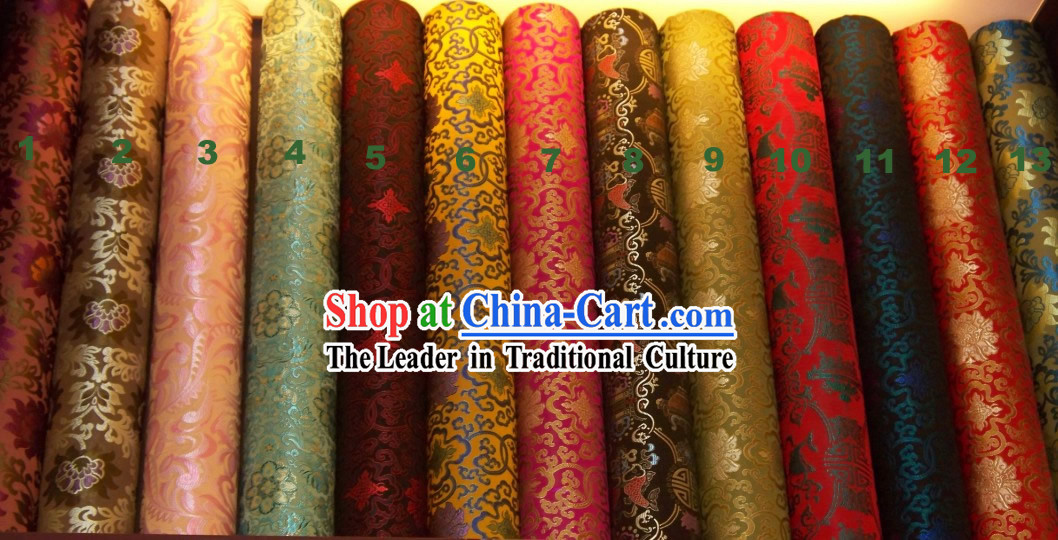
traditional chinese clothing fabric

On June 6, 2024, the Industrial Development Promotion Center of the Ministry of Industry and Information Technology organized a key project “Facing Big Data” under the national key research and development plan “Manufacturing Basic Technology and Key Components” in Huzhou, Zhejiang, led by Zhejiang Tianma Bearing Group Co., Ltd. Comprehensive performance evaluation meeting of the “High-end Bearing Condition Monitoring and Health Management Technology” project. The expert group believes that the project has completed the tasks and assessment indicators specified in the mission statement and achieved the expected goals.

In order to quickly improve the intelligent operation and maintenance level of China's major equipment, in November 2020, the “High-end Bearing Condition Monitoring and Health Management Technology for Big Data” project led by Zhejiang Tianma Bearing Group Co., Ltd. was listed as a national key research and development plan. “Basic Manufacturing Technology and Key Components” key project. The project leader is Professor Cao Hongrui of Xi'an Jiaotong University. Other participating units include Shijiazhuang Railway University, Huazhong University of Science and Technology, Shanghai Jiao Tong University, Xi'an Jiaotong University, Tsinghua University, Shanghai University of Technology, as well as CRRC Tangshan Locomotive and Rolling Stock Co., Ltd., Shandong CRRC Wind Power Co., Ltd., Zhejiang Heqing Flexible Electronic Technology Co., Ltd.

Over the past three years, the research team has conducted research on the scientific issue of intelligent analysis and diagnosis prediction mechanism of bearing fault information under big data to address the low accuracy of bearing fault diagnosis and difficulty in predicting maintenance of major equipment such as wind power and high-speed trains, and has made breakthroughs in bearing monitoring. High-quality and complete acquisition of heterogeneous big data from multiple sources, construction of health monitoring indicators and dynamic monitoring of changing working conditions, intelligent diagnosis of deep migration of multiple faults in bearings under big data, bearing performance evaluation and life prediction driven by digital twins, remote monitoring and health management Five key technologies, including system cloud-edge collaborative development, completed the project mission objectives and all assessment indicators. The project integrated theoretical methods with key technologies, developed a high-end bearing condition monitoring and health management system, and conducted application verification in 5 companies in the wind power and rail transit industries, promoting the shift from “regular maintenance” to wind power, rail transit and other industries. “Predictive maintenance”. The important achievements, innovation, application prospects and demonstration promotion of the project are as follows:

1. Breakthrough in the preparation technology of flexible composite sensors, and developed bearing prototypes integrating flexible composite sensors, which realizes embedded sensing of vibration, temperature, strain and other signals, solving the problem of small installation space of wind power and high-speed train bearings and difficulty in close proximity of sensors Installation and other issues.

2. Proposed the construction and adaptive adjustment method of variable working condition bearing condition monitoring indicators, developed a multi-source signal collection and monitoring indicator edge computing engineering prototype, and realized the high-speed collection of bearing multi-source signals and the rapid calculation of status indicators. It has the functions of calculating time-domain statistics, frequency-domain statistics, time-frequency domain indicators, time-domain synchronous average indicators, residual signal indicators, differential signal indicators, etc. It has high technical maturity and meets engineering needs. It has been used in Baoji CRRC Times Engineering Machinery Co., Ltd. Companies and other enterprises apply.

3. Proposed intelligent diagnosis and remaining life prediction methods for deep migration of multiple faults in bearings, developed a high-end bearing status remote monitoring and health management system based on a big data cloud platform, and realized intelligent diagnosis of typical bearing faults and prediction of remaining life under complex service conditions. . The research results have been applied and verified in relevant enterprises in the wind power and rail transit industries.

After actual testing, the technical achievements of this project can achieve a false alarm rate and false alarm rate of no more than 10% in early bearing failure monitoring under complex and changeable working conditions, a typical fault diagnosis rate of more than 95%, and a relative error of less than 15% in the prediction of the remaining life of the bearing. %, many indicators have reached the international advanced level in similar technical fields, helping to rapidly improve the intelligent operation and maintenance level of China's major equipment.

2017 SIHHオフィチーネ・パネライ新品まとめ

exness ログイン

第27回ジュネーヴ国際高級時計サロン(SIHH)は幕を閉じ、終わったばかりの3日間で、我々は再びあれらのと味わうスイス完璧で抜群のタブ芸、1度の美学と機械の大秀開いて2017時計世界の新たな一章。オフィチーネ・パネライとしてイタリア血統のタブ皆さん、今回のSIHHを私たちに一枚の美味しいケーキを呈し、ブランドは経典や革新素材再演じた専門の潜水腕時計、Radiomirシリーズ復古表項、第35回アメリカ州杯ヨットレースで鋳造の特別表モデルなど、これほど多くの材質の腕時計を強調したオフィチーネ・パネライ高級タブ工芸面で切り開く非凡造詣、下を皆様にまとめた編集オフィチーネ・パネライ2017 SIHHで発表したすべて新品、やすく一覧。http://www.copy2017.com/list/30

オフィチーネ・パネライ時計PAM00700炭素繊維

覚えては2015年にはCarbotechオフィチーネ・パネライだった創造的に炭素繊維材質はケースデザインの中で、率先してこの材質タブ領域を導入し、今年のブランドを転覆性の運用した文字盤およびムーブメントの上に、カーボン素材の独特的なムーブメントに及ぶ半世紀ぶり時間に必要ない潤滑に保養して、これは間違いなくオフィチーネ・パネライ革新で業界の中で全体のタブを起こしムーブメント保養革命。http://copy2017.com/

Lais Ribeiro’s Top Brazilian Beauty Tips

CNC machining

In large part due to the Olympic Games in Rio, all things Brazilian are on our minds right now. The beautiful South American country is no stranger to the beauty and fashion industries, as some of the world’s top designers and models call it home. Lais Ribeiro is one such supermodel—hailing from Teresina, the capital of Piauí.

It’s been a hectic couple of years for Ribeiro: She received wings as a Victoria’s Secret Angel and become the face of accessories brand Bottletop. But personal accomplishments aside, Ribeiro couldn’t be prouder of her country’s involvement in the Olympic games. “It’s definitely an exciting time for Brazil and Brazilians, and such an honor after hosting the World Cup!”

We spoke with Ribeiro between her busy schedule to gather details on her skin-care routine and her favorite haunts in the country just in time for the Olympics.

RELATED: Here's Everything You Ever Wanted to Know About Brazilian Waxes

Ribeiro’s Skin-Care Routine:Ribeiro starts by washing her face with Burt’s Bees Orange Essence Facial Cleanser. “That’s followed by L’Oréal Paris HydraFresh Toner and then either L’Oréal Paris’s Youth Code Skin Recharger moisturizer or Magic Skin Beautifier BB Cream.” She loves them both for balancing her skin tone and hydration. “Also, Babassu oil from the Babassu palm is great for moisturizing the skin and keeping it hydrated.”

Ribeiro’s Must-Try Brazilian Beauty Tips:

Always stay moisturized and hydrated.Ribeiro stays hydrated with plenty of water—and when she’s in Brazil, she drowns herself in fresh coconut water and moisturizer. "I have oily skin, and you would think that I would stay away from moisturizing when I’m in Brazil, but I found that by not doing so, my skin would become oilier,” said Ribeiro. “It turns out that my skin produces less oil when it’s properly hydrated and moisturized.”

Pigmented lipsticks are the keys to summery pops of color.For an effortless pop of seasonal color, Ribeiro relies on pigmented lipsticks. “It’s a pretty easy look and won’t wear off.” Tom Ford has an array of shades that fit the bill.

Never leave home without sunscreen.“I swear by any product with SPF,” adds Ribeiro. “Being naturally tanned, the chances of [me] getting burned are rarer than my fair-skinned friends, but the sun is brutal on the skin—regardless of your pigment—so I always use products with coverage.” Lip moisturizers with SPF are among her absolute must-haves. “I think most of us forget that our lips can get burned and dry out too.”

Use powder minimally.Brazilians aren’t crazy about powder because it can easily cake up in the country’s very warm and humid climate. “We accept our ‘summer glow’ and rock it,” explains Ribeiro. “However, I will dust minimal powder on my forehead, around my nose and on my chin if necessary.” We like Iman Perfect Response Oil Blotting Pressed Powder.

Have blotting papers handy at all times.“Blotting papers are truly our secret weapon,” reveals Ribeiro. “I like to use blotting papers or even tissue wrapped around a small puff to blot sweat and oil from my skin.”

Best Places to Visit in Brazil:

D.O.M
R. Barão de Capanema, 549 – Jardins, São Paulo – SP, 01411-011, Brazil
“This restaurant specializes in Brazilian fusion, which is super delicious.”

Bolinha
Av. Cidade Jardim, 53 – Jardins, São Paulo – SP, 01453-000, Brazil
“You’ll get typical Brazilian dishes here that all taste homemade.”
 
Bar Numero
R. da Consolação, 3585 – Jardins, São Paulo – SP, 01416-001, Brazil
“This is one of my favorite bars. Their drink specialty is gin and tonic.”

Most Popular

  • ShoppingWill Your Favorite Beauty Products Get More Expensive Under Trump?By Ashley Abramson
  • ShoppingThe Best LED Face Masks to Target Every Skin ConcernBy Deanna Pai
  • NailsThe Best Winter 2024 Nail Color Trends Remix Classic Holiday ShadesBy Annie Blay

Check out these ultimate beauty tips:

淘宝25-02-25-GUIDEIR.COM The 52 Best-Selling Products:

Price:

Keyword:

listing time: 2025-02-28 12:10:51

Price:

Keyword:

listing time: 2025-02-28 12:08:15

Price:

Keyword:

listing time: 2025-02-28 12:08:15

Price:

Keyword:

listing time: 2025-02-28 12:10:51

Price:

Keyword:

listing time: 2025-02-28 12:07:23

Price:

Keyword:

listing time: 2025-02-28 12:05:35

Price:

Keyword:

listing time: 2025-02-28 12:08:15

Price:

Keyword:

listing time: 2025-02-28 12:08:42

Price:

Keyword:

listing time: 2025-02-28 12:05:35

Price:

Keyword:

listing time: 2025-02-28 12:10:51

Price:

Keyword:

listing time: 2025-02-28 12:09:44

Price:

Keyword:

listing time: 2025-02-28 12:10:51

Price:

Keyword:

listing time: 2025-02-28 12:07:23

Price:

Keyword:

listing time: 2025-02-28 12:11:15

Price:

Keyword:

listing time: 2025-02-28 12:10:18

Price:

Keyword:

listing time: 2025-02-28 12:10:18

Price:

Keyword:

listing time: 2025-02-28 12:10:18

Price:

Keyword:

listing time: 2025-02-28 12:09:10

Price:

Keyword:

listing time: 2025-02-28 12:08:15

Price:

Keyword:

listing time: 2025-02-28 12:10:18

Price:

Keyword:

listing time: 2025-02-28 12:10:51

Price:

Keyword:

listing time: 2025-02-28 12:08:15

Price:

Keyword:

listing time: 2025-02-28 12:09:44

Price:

Keyword:

listing time: 2025-02-28 12:08:42

Price:

Keyword:

listing time: 2025-02-28 12:08:15

Price:

Keyword:

listing time: 2025-02-28 12:11:15

Price:

Keyword:

listing time: 2025-02-28 12:09:10

Price:

Keyword:

listing time: 2025-02-28 12:11:15

Price:

Keyword:

listing time: 2025-02-28 12:09:44

Price:

Keyword:

listing time: 2025-02-28 12:10:18

Price:

Keyword:

listing time: 2025-02-28 12:11:15

Price:

Keyword:

listing time: 2025-02-28 12:08:15

Price:

Keyword:

listing time: 2025-02-28 12:08:15

Price:

Keyword:

listing time: 2025-02-28 12:08:42

Price:

Keyword:

listing time: 2025-02-28 12:05:35

Price:

Keyword:

listing time: 2025-02-28 12:09:44

Price:

Keyword:

listing time: 2025-02-28 12:05:35

Price:

Keyword:

listing time: 2025-02-28 12:05:35

Price:

Keyword:

listing time: 2025-02-28 12:08:15

Price:

Keyword:

listing time: 2025-02-28 12:08:15

Price:

Keyword:

listing time: 2025-02-28 12:10:18

Price:

Keyword:

listing time: 2025-02-28 12:05:35

Price:

Keyword:

listing time: 2025-02-28 12:11:15

Price:

Keyword:

listing time: 2025-02-28 12:09:44

Price:

Keyword:

listing time: 2025-02-28 12:09:10

Price:

Keyword:

listing time: 2025-02-28 12:11:15

Price:

Keyword:

listing time: 2025-02-28 12:07:23

Price:

Keyword:

listing time: 2025-02-28 12:09:10

Price:

Keyword:

listing time: 2025-02-28 12:08:42

Price:

Keyword:

listing time: 2025-02-28 12:10:51

Price:

Keyword:

listing time: 2025-02-28 12:05:35

Price:

Keyword:

listing time: 2025-02-28 12:10:18

Cellular Green Cotton Warming Throw Travel China Blanket for Ki

Basic Info.

Model NO.
custom

Material
Cotton

Age Group
Adult, Baby, Children

Feature
Portable, Wearable, Soft. Skin-Friendly

Type
Knitting Blanket

Knitting Method
Stitch Knitting

Pattern
Printing Pattern

Usage
Home, Travel, Airplane, Picnic, Hospital, Hotel

Life
Long

We Produce
Any Knitting Yarn

Weight
Customized

Product
Knitting Blanket

Transport Package
Polybags/Carton

Specification
customized

Trademark
Toway

Origin
Ningbo, Zhenjiang

Production Capacity
100.0000PCS/Year

Product Description

1. Any color is available

2. All kinds of yarns

3. ECO friendly

4.  Professional Trading Service

5. Low Price, High quality, Durable, Fast Delivery


Detail  Composition; 100% cotton, 100% acrylic
 Color: As picture, or customized
 Size: full/ queen/ king it can be customized
 Note: All our products are available in different types of colors, sizes and packing. The Color, size and packaging of our products can be altered according to client’s necessities or specifications. Feature  1.Fashion designed pattern
 2.Warm, comfortable and soft 100% cotton
 3.fastness 
 4.OEM Usage  It can be used as shawl, couch throw, bed blanket, sofa decorative, baby blanket. Market  North America, south America, Europe, Oceania, Africa, south-east Asia

Related Products


About Us:


Ningbo Toway Imp. & Exp. Co., Ltd. is a professional company who is mostly engaged in fancy yarn, wool yarn and hand knitting yarn. We have more than 10 years experience for exporting. Our company is located in ningbo city which is one of the most famous textile cities in zhejiang province and it is very near Shanghai city with very convenient traffic.

Our company is equipment with 380sets crochet machines, 3sets fancy twisting machines, 15sets cylinder knitting machine, 3000 spindles chenille machine and 8000 spindles wool spinner. Total output is about 150 – 170 metric tons / month.

About Our Main Products :


Fancy yarn series POM-POM yarn, fishnet yarn, mesh yarn, ladder yarn, lily yarn(hollow tube yarn), track yarn, eyelash yarn, feather yarn, boucle yarn, loop yarn, tape yarn, slub yarn, knot yarn, T/T yarn, PP yarn, brushed yarn, 8-like yarn, toothbrush yarn, butterfly yarn and so on Hand knitting ball yarn series Fancy hand knitting yarn and classic hand knitting yarn made by acrylic, viscose, polyester, nylon, cotton, wool, mohair, angora and so on. Wool yarn series Wool yarn, wool blended yarn, woolen yarn, semi worsted yarn, silk blended yarn, viscose blended yarn, cotton blended yarn, acrylic blended yarn, cashmere yarn, mohair yarn, angora yarn and so on. Yarn count from 0.8nm to 80nm. Chenille yarn series From 0.25nm to 8nm chenille yarn made by different material like acrylic, viscose, polyester, cotton/viscose and so on, can be dyed and undyed. Application: Hand knitting, knitting, carpet, shawls, scarves, gloves, sweater, blanket, weaving, curtain, home furnishing fabrics and upholstery fabric.

If you have any questions, please feel free to contact with us.

Keyword: thermal camera

170M6452

Vuurwerk

The 170M6452,from Bussmann / Eaton,is Specialty Fuses.what we offer have competitive price in the global market,which are in original and new parts.If you would like to know more about the products or apply a lower price, please contact us through the “online chat” or send a quote to us!

  • Specifications
  • Package
  • Payment
  • Shipping
  • Contact US
Product Category :
Specialty Fuses
Manufacturer :
Bussmann / Eaton
Applications :
Approval Agency :
Breaking Capacity @ Rated Voltage :
Class :
Current Rating (Amps) :
delivery time :
24 hours
Fuse Type :
Specialty Fuses
Mounting Type :
Package :
Bulk
Package / Case :
Rectangular, Blade
Part Status :
Active
Response Time :
Series :
170M
Size / Dimension :
Type :
HIGH SPEED FUSE
Voltage Rating – AC :

Chinese enterprise provides world-class bearing products to China's space industry

slot milling

On April 29, the Long March No. 5 carrier rocket loaded the China Space Station "Tianhe Core Module" into the air at the Wenchang Space Launch Site in Hainan and successfully completed the launch mission. Since then, China's space station "on-orbit formation" mission officially kicked off and manned the space station. The aerospace industry has reached new a new stage. Completing the mission of the orbital components of the space station is an important symbol of building a stronger aerospace country. And one Chinese bearing manufacturer provided the bearings and parts needed for the building of the space station.


Renewable environment control and life support technology can provide astronauts with the necessary life resources for long-term orbital work and life. This is the key bottleneck technology for the space station's long-term operation in orbit. The information that my country can access in the research process of renewable environmental control and life support technology for space stations is very limited, and the research and development is very difficult. After seven years of unremitting efforts, Chinese Research Institute has made breakthroughs in the development and testing of corrosion-resistant bearings, providing technical guarantee for the long-term survival of astronauts in orbit.


All rotating components in the "Tianhe Core Cabin" environmental control life support system work in solution, which poses a huge challenge to the corrosion resistance and wear life of bearing materials. Due to compatibility reasons, common bearing materials cannot meet the requirements of the subsystem. The initial plan can only meet the ground test for more than ten hours, which is far from the long-term on-orbit service life requirement. For this reason, the Research Institute established a project research and development team. After 7 years of unremitting efforts, the research and development team has successively replaced several bearing material solutions and more than ten structural solutions to gradually increase the bearing test life, and finally the ground test reached the overall required life goal of the space station. It provides a strong guarantee for the long-term and reliable operation of the renewable environmental control and life support system.


Chinese enterprises have successively made contributions to the "Tiangong" laboratory, the "Shenzhou" series manned spacecraft, the "Chang'e" moon exploration project. In the future, they will accelerate the transformation and upgrading of the industry, continue to make efforts in the field of special bearings, and help the development of China's aerospace industry to a new level.

Basic knowledge of bearing assembly determines bearing life

Sliding bearing is a kind of bearing with sliding friction, which is characterized by stable and reliable operation hours, low noise, and which can withstand heavy loads and large impact loads. According to different structural forms, it can be divided into integral type, split type and tile type.

1. Assembly of integral sliding bearing

Integral sliding bearings are commonly known as bushings, and they are also the simplest form of sliding bearings. They are mainly assembled by pressing and hammering. In special occasions, hot-fitting is used. Most bushings are made of copper or cast iron. You should be careful when assembling, and you can assemble it by hitting with a wooden hammer. Whether it is knocked in or pressed in, it must be prevented from tilting. After assembly, the oil groove and oil hole should be in the required position.

Deformed bearings should be trimmed after assembly. Smaller sizes can be cut by reaming, and larger sizes can be scraped. At the same time, we need to control the matching clearance with the shaft within the tolerance range. In order to prevent the shaft sleeve from rotating when it is working, the contact surface of the shaft sleeve and the box body is equipped with positioning pins or seam screws. Because the hardness of the box body and the shaft sleeve are different when drilling, it is easy to deflect the drill bit to the soft material side. The solution: one is to punch the hard material with a sample before drilling, and the other is to use a short drill to increase the drilling.

2. Assembly of split bearings

Split bearings have the characteristics of simple structure and convenient adjustment and disassembly. Two bushes are inserted, and a gasket is used at the joint to adjust a reasonable gap.

2.1 Assembly of bushes and bearing body

The upper and lower bushes must be in good contact with the inner holes of the bearing. If they do not meet the requirements, take the inner holes of the thick-walled bushes as the reference, and scratch the back of the bushes. At the same time, the steps of the two ends of the bushes should be close to the ends of the bearing body. Thin-walled bushes only need to make the middle parting surface of the bearing bush higher than the middle parting surface of the bearing body by about 0.1mm, and no scraping is necessary.

2.2 The bearing shell is installed in the bearing body

No displacement is allowed in the radial or axial direction. Usually, the steps at both ends of the bearing bush are used to stop the positioning or locate the positioning pin.

2.3 Matching scraping of bearing bush

Split bearing shells generally use matching shaft grinding points. Generally, the bearing shells are scraped first, and then the bearing shells are scraped. In order to improve the efficiency, the bearing shells and covers are not installed when the bearing shells are scraped. The contact points of the current bearing shells are basically When the requirements are met, the upper bearing bush and the upper cover are pressed tightly, and the contact point of the lower bearing bush is further corrected when the upper bearing bush is scraped. The tightness of the shaft can be adjusted with the increase of the number of scraping by changing the thickness of the gasket. When the bearing cover is tightened, the shaft can easily rotate without obvious gap, and the scraping is completed when the contact point meets the requirements.

2.4 Measurement of bearing clearance

The size of the bearing gap can be adjusted by the gasket at the center dividing surface, or it can be obtained by directly scraping the bearing bush. The lead pressure method is usually used to measure the bearing clearance. Take a few pieces of lead wire with a diameter larger than the bearing clearance and place them on the journal and the center dividing surface. Then tighten the nut to compress the center dividing surface. Then unscrew the nut and remove the bearing cap. Take out the flattened lead wire and measure the thickness with a micrometer for each section. The bearing clearance can be known according to the average thickness of the lead wire.

Generally, the clearance of the bearing should be 1.5-2.5(mm) of the shaft diameter. The smaller the clearance value is when the diameter is larger. If the shaft diameter is 60mm, the bearing clearance should be between 0.09-0.15mm.

3. Rolling bearing assembly

Rolling bearings have the advantages of low friction, small axial size, convenient replacement, and simple maintenance.

3.1 Technical requirements for assembly

The end face marked with the code of the rolling bearing should be installed in the visible direction for checking when replacing it.

The arc radius at the step of the journal or housing hole should be smaller than the arc radius at the corresponding position on the bearing.

After the bearing is assembled on the shaft and the housing hole, there should be no skew.

Of the two coaxial bearings, one of the two bearings must move with the shaft due to thermal expansion.

When assembling the rolling bearing, it is necessary to strictly prevent dirt from entering the bearing.

The assembled bearings must run flexibly, with low noise, and the operating temperature should generally not exceed 65.

3.2 Assembly method

When assembling the bearings, the most basic requirement is to make the added axial force directly act on the end face of the bearing ring (when installed on the shaft, the added axial force should directly act on the inner ring. When it is on the hole, the applied force should act directly on the outer ring).

Try not to affect the rolling elements. The assembly methods include hammering method, press assembly method, hot assembly method, freezing assembly method and so on.

Hammering method

Use a hammer to pad the copper rod and put some softer materials before hammering. Be careful not to let foreign matter such as copper powder fall into the bearing raceway. Do not directly hit the inner and outer rings of the bearing with a hammer or punch, so as not to affect the bearing. The matching accuracy may cause bearing damage.

Screw press or hydraulic press assembly method

For bearings with larger interference tolerances, screw presses or hydraulic presses can be used for assembly. Before pressing, the shaft and bearing should be leveled, and a little lubricating oil should be applied. The pressing speed should not be too fast. After the bearing is in place, the pressure should be removed quickly to prevent damage to the bearing or shaft.

Hot loading method

The hot mounting method is to put the bearing in oil and heat it to 80-100, so that the inner hole of the bearing is expanded and then set on the shaft, which can prevent the shaft and the bearing from being damaged. For bearings with dust caps and seals, which have been filled with grease, the hot mounting method is not applicable.

The clearance of tapered roller bearings is adjusted after assembly. The main methods are adjustment with spacers, adjustment with screws, adjustment with nuts and so on. When assembling the thrust ball bearing, the tight ring and the loose ring should be distinguished first. The inner diameter of the tight ring is slightly smaller. The assembled tight ring and the shaft remain relatively static during operation, and they always lean against the shaft. At the end of the step or hole, otherwise the bearing will lose its rolling effect and accelerate wear.

What is Low Volume Manufacturing: Definition, Types, Benefits &a

In today’s fast-paced and increasingly customized world, low volume manufacturing stands as a beacon of flexibility and innovation.

This manufacturing approach, unlike its high-volume counterpart, allows businesses to produce smaller quantities of products, catering to specific market demands and niches.

In this extensive exploration, we’ll dive deep into what low volume production is, its significance, various methods, and the critical role it plays across numerous industries.

What is Low Volume Manufacturing?

Low volume manufacturing refers to the process of producing a limited number of components or products, typically ranging from a few units to several thousand. This manufacturing method is ideal for small batches, prototypes, and customized products.

The approach contrasts with high volume production, where economies of scale are leveraged to produce large quantities of identical items.

Why is Low Volume Manufacturing Important?

In the realm of modern manufacturing, low volume production stands out for its unique advantages, particularly in its flexibility and responsiveness to market demands. Here are some key reasons why low volume manufacturing is increasingly becoming a crucial part of the manufacturing landscape:

  • Customization and Niche Markets: Low volume manufacturing is ideal for producing custom products or catering to niche markets. By producing smaller quantities, manufacturers can tailor products to specific customer needs or market segments without the substantial financial risk associated with large-scale production.
  • Reduced Initial Investment and Tooling Costs: Unlike high volume production, low volume manufacturing often requires less upfront investment in tooling and setup. This cost efficiency makes it a viable option for startups and small businesses looking to bring new products to market quickly and affordably.
  • Faster Market Penetration: With low volume production, you can move from the design phase to the market faster. This accelerated pace is vital in industries where trends and customer preferences change rapidly.
  • Risk Mitigation in Product Launches: Launching new products involves inherent risks, especially in terms of market reception. Low volume manufacturing allows you to test the waters with a smaller batch of products, reducing the potential financial impact if the product doesn’t perform as expected.
  • Support for Emerging Technologies and Materials: As new technologies like 3D printing and CNC machining evolve, they open up possibilities for innovative materials and designs. Low volume manufacturing methods are well-suited to these technologies, allowing for experimentation and adoption of cutting-edge materials like carbon fiber.
  • Sustainability and Reduced Waste: Producing in smaller quantities can lead to a more sustainable manufacturing process with less material waste. This aspect is increasingly important in a world where environmental consciousness is rising.

What is the difference between high volume and low volume manufacturing?

The contrast between high volume and low volume manufacturing is stark, primarily revolving around the scale of production and the flexibility each offers.

High volume manufacturing, synonymous with mass production, focuses on producing large quantities of identical products.

This approach benefits from economies of scale but often lacks the flexibility to adapt quickly to market changes or customer-specific needs.

What is the minimum level of production?

Determining the minimum level of production for low volume manufacturing can vary depending on the industry, the product, and the manufacturing methods used.

Generally, low volume production might range from a few units to several thousand. The key is that these quantities are significantly lower than those of high volume production, which can run into the millions.

The choice of low volume manufacturing hinges on factors like the demand for the product, the cost-effectiveness of producing small quantities, and the need for customization or rapid market response.

What are the Key Benefits of Low Volume Manufacturing?

Low volume production methods offer a suite of advantages that are particularly beneficial in today’s fast-paced and innovation-driven market. Let’s explore these benefits in detail:

  • Reduced Initial Costs: One of the most significant advantages of low volume manufacturing is the reduced initial costs. The need for expensive tooling and setup is minimized, making it a cost-effective choice for startups and established companies alike. This reduction in upfront investment is particularly beneficial for you if you’re testing a new market or launching a novel product.
  • Flexibility in Design and Production: Low volume manufacturing methods, including CNC machining and additive manufacturing, offer unparalleled flexibility in design and production. This flexibility allows for easy modifications and adaptations, enabling you to respond quickly to changing market trends or customer feedback.
  • Faster Time-to-Market: With any low volume manufacturing method, the time from concept to market is significantly shorter. This expedited process is crucial for staying competitive, especially in industries where speed to market is a key factor for success.
  • Ideal for Customization and Niche Markets: Low volume production is perfectly suited for customization and catering to niche markets. Whether it’s producing small batches of custom products or meeting specific requirements of a targeted market segment, low volume manufacturing allows for a personalized approach that large-scale production often cannot provide.
  • Reduced Inventory Costs and Space: By producing in smaller quantities, you can significantly reduce inventory costs and the space required for storage. This aspect is particularly advantageous for businesses with limited storage facilities or those looking to minimize capital tied up in unsold inventory.
  • Risk Mitigation: Launching a new product always carries risks. Low volume manufacturing mitigates these risks by allowing for smaller production runs. This approach enables you to test the market’s reception of your product without the financial burden of a full-scale production.
  • Quality Focus: With smaller production runs, there’s an increased focus on quality. Low volume manufacturers often have more control over the production process, ensuring that each part meets stringent quality standards.
  • Sustainability: Low volume manufacturing contributes to sustainability by reducing waste and energy consumption. Smaller production runs mean less material waste, and the ability to produce on demand reduces the likelihood of excess inventory.
  • Supply Chain Simplification: Managing supply chains for low volume production is often simpler and more straightforward. This simplification can lead to increased efficiency and reduced costs, as you’re not dealing with the complexities associated with large-scale production logistics.
  • Access to Advanced Manufacturing Technologies: Low volume manufacturing is closely tied to advanced manufacturing technologies like 3D printing and CNC milling. These technologies offer you the ability to produce complex and high-quality parts that might not be feasible with traditional manufacturing methods.
  • Supports Innovation: Perhaps one of the most crucial benefits of low volume manufacturing is its support for innovation. It allows for experimentation and rapid prototyping, enabling you to develop and refine innovative products without the need for large-scale production.

What are the Main Types of Low Volume Manufacturing?

Low volume manufacturing offers a range of methods, each with unique advantages and suitable applications. Understanding different low volume production technologies is essential for you to select the right approach for your manufacturing needs. Let’s explore the most common types:

Injection Molding

Injection molding is a prevalent method for producing plastic and metal parts, especially when precision and scale are concerns. This process involves injecting molten material into a mold, which solidifies to form the final part. It’s ideal for producing high-quality plastic parts in low volumes, providing a balance between cost-efficiency and scalability.

CNC Machining

CNC machining encompasses the use of computer-controlled machining tools like mills, lathes, and grinders to shape material into a desired form. It is known for its precision and versatility, making it suitable for manufacturing complex parts with tight tolerances.

CNC machining is a cornerstone in low volume manufacturing, especially when high-quality steel parts or intricate designs are required.

3D Printing (Additive Manufacturing)

3D printing, or additive manufacturing, builds parts layer by layer from a digital file. This method is incredibly versatile, allowing for the creation of complex geometries that would be difficult or impossible to achieve with traditional manufacturing methods.

Suitable for a wide range of materials, including plastics, metals, and composites, 3D printing is ideal for rapid prototyping and small batch production.

Urethane Casting

Urethane casting uses silicone molds to create parts from various polymers, particularly urethane. This method is excellent for prototypes and small batch production, offering a cost-effective way to produce high-quality parts with the look and feel of production-grade materials.

Rapid Prototyping

Rapid prototyping encompasses several techniques, including 3D printing and CNC machining, to quickly fabricate a scale model of a part or assembly. This approach is vital in modern manufacturing for its ability to speed up the design process, allowing for swift iterations and testing before committing to full-scale production.

Sheet Metal Fabrication

Sheet metal fabrication involves cutting, bending, and assembling sheet metal to create diverse metal products. This method is widely used for its ability to produce sturdy and functional parts, making it a mainstay in industries like automotive and aerospace.

Vacuum Casting

Vacuum casting is a process where a liquid material is drawn into a mold under vacuum conditions. It’s particularly effective for replicating parts in small volumes and is often used for producing high-quality prototypes or end-use parts.

Laser Cutting and Engraving

Laser cutting and engraving use a high-powered laser to precisely cut or engrave materials, often metals or plastics. This technology is renowned for its precision and ability to produce complex shapes with excellent finish quality.

Die Casting

While typically associated with high-volume production, die casting can also be adapted for lower volumes. It involves molding materials under high pressure and is particularly suited for producing metal parts with intricate designs and tight tolerances.

Extrusion

Extrusion is a process that forces material through a die to create objects with a fixed cross-section. Commonly used for aluminum or other metals, extrusion is ideal for producing long, straight metal parts.

Composite Fabrication

Composite fabrication is a process integral to industries requiring strong, lightweight materials.

It involves creating parts from composite materials, which often include a combination of fibers such as carbon or fiberglass and a matrix material like resin. The aerospace, automotive, and sports equipment industries heavily rely on composite fabrication for its ability to produce parts that are both lightweight and exceptionally strong.

Composite fabrication is perfect for low volume production parts, as it allows for the creation of specialized components with high-performance requirements, often tailored to specific applications or bespoke projects.

Silicon Molding

Silicon molding is another significant method in low volume manufacturing, particularly valued for its precision and flexibility.

This method is used for producing parts from silicon, a material known for its flexibility, durability, and heat resistance. Silicon molding is widely used in the creation of gaskets, seals, and other flexible parts that require precise dimensions and shapes.

Its role in low volume manufacturing is crucial, especially in industries like medical, automotive, and consumer electronics, where customized or small-batch silicone parts are frequently required.

Which Industries Commonly Use Low Volume Manufacturing?

Low volume manufacturing is not confined to a single sector; it spans across various industries, each leveraging its benefits in unique ways. Here are some of the key industries where low volume manufacturing is integral:

  • Aerospace: Utilizes low volume manufacturing for producing specialized parts like airframe components and intricate engine parts. The focus here is on high-quality materials and precision manufacturing.
  • Automotive: Embraces low volume production for custom parts, prototypes, and components for luxury or specialized vehicles. Low volume manufacturing allows for design flexibility and rapid adaptation to new technologies.
  • Medical Devices: Low volume manufacturing is critical for producing highly specialized medical equipment and devices, where customization and precision are paramount.
  • Consumer Electronics: Utilizes low volume manufacturing for prototyping new devices and producing high-end, specialized electronics where the demand might not warrant mass production.
  • Defense: Employs low volume manufacturing to produce specialized equipment and components where high precision and customization are necessary for small, specific applications.
  • Sports Equipment: Uses low volume methods to create customized or high-performance gear, such as composite bicycles or specialized athletic wearables.
  • Industrial Machinery: Leverages low volume manufacturing for producing specialized machinery or parts that require precise specifications and are not mass-produced.
  • Robotics: Often requires low volume manufacturing for developing unique robotic components that need to be customized or are in the developmental stage.
  • Energy Sector: Utilizes low volume manufacturing for producing specialized equipment used in power generation, especially in renewable energy sectors like wind and solar.
  • Maritime Industry: Relies on low volume manufacturing for parts in ships and underwater equipment, where the need for custom components is high due to diverse operational environments.

What are the Challenges and Considerations in Low Volume Manufacturing?

While low volume manufacturing offers numerous benefits, it also presents unique challenges. Understanding these challenges and knowing how to effectively address them is crucial for successful implementation. Here’s a breakdown of the main challenges and practical tips for overcoming them:

  • High Tooling and Setup Costs: Although lower than in mass production, tooling costs can still be significant in low volume manufacturing.
    • Solution: Optimize design for manufacturing to reduce complexity. Utilize versatile tools and methods like 3D printing to minimize tooling requirements.
  • Managing Quality Consistency: Ensuring consistent quality can be challenging, especially when dealing with custom products.
    • Solution: Implement rigorous quality control processes and leverage technologies like CNC machining and additive manufacturing for precise and repeatable results.
  • Balancing Cost and Volume: Finding the sweet spot between production volume and cost-efficiency can be tricky.
    • Solution: Conduct thorough market analysis to determine the optimal production quantity. Utilize flexible manufacturing methods that can adapt to changing demands.
  • Supply Chain Complexity: Managing supply chains for low volume production can be complex due to the smaller scale and less predictability.
    • Solution: Build strong relationships with suppliers and choose those who are experienced in low volume manufacturing. Consider local sourcing to reduce lead times and costs.
  • Customization Demands: High levels of customization in low volume manufacturing can lead to increased complexity and production times.
    • Solution: Use advanced manufacturing technologies like CNC machining and additive manufacturing, which are well-suited for producing custom and complex designs.
  • Material Selection and Availability: Finding the right materials in the right quantities can be a challenge, especially for unique or custom projects.
    • Solution: Work closely with material suppliers to understand availability and lead times. Consider alternative materials that can meet the required specifications.
  • Rapid Prototyping and Testing: The need for rapid prototyping and testing can add time and cost to the manufacturing process.
    • Solution: Integrate rapid prototyping techniques like 3D printing into the development process to speed up testing and iterations.
  • Market Adaptability: Staying adaptable to market changes is vital, especially when dealing with low volume production.
    • Solution: Implement agile manufacturing processes and keep abreast of market trends to quickly adapt to changing demands.
  • Skilled Labor Requirements: Low volume manufacturing often requires skilled labor for specialized tasks.
    • Solution: Invest in training and development of employees. Consider partnerships with educational institutions to ensure a steady supply of skilled labor.
  • Technology Integration: Keeping up with new manufacturing technologies can be challenging but is essential for staying competitive.
    • Solution: Regularly invest in new technologies and provide training for staff to stay at the forefront of manufacturing advancements.
  • Environmental Considerations: Manufacturing processes, even on a smaller scale, have environmental impacts that need to be considered.
    • Solution: Implement sustainable practices, like using recyclable materials and optimizing energy usage, to minimize environmental impact.

What are the key factors to consider when opting for low-volume production?

When considering low volume production, several key factors play a crucial role in ensuring successful production. Understanding these factors will help you make informed decisions and optimize your manufacturing process:

  • Cost: Analyze all costs involved, including material, labor, setup, and tooling. Low volume manufacturing can reduce tooling costs, but other expenses may be higher per unit.
  • Time: Consider the lead time for production. Low volume manufacturing often allows for quicker turnaround, which is beneficial for rapidly changing markets or prototyping.
  • Quality: Ensure that the quality of the produced items meets your standards. Low volume manufacturing provides greater control over each unit, potentially enhancing quality.
  • Process Type: Choose the right manufacturing process (e.g., CNC machining, injection molding) based on the material, quality, and design requirements of your product.
  • Supplier Selection: Select a supplier experienced in low volume manufacturing who can offer flexibility, quality assurance, and competitive pricing.

In House Production vs. Contract Manufacturing

When implementing low volume production, you have the choice between in-house production and contract manufacturing. Each option has its benefits:

  • In-House Production:
    • Advantages: Greater control over production, the ability to respond quickly to changes, and direct oversight of quality.
    • Considerations: Requires significant investment in equipment, space, and skilled labor.
  • Contract Manufacturing:
    • Advantages: Access to specialized expertise, equipment, and reduced capital investment.
    • Considerations: Less direct control over the manufacturing process and potential challenges with communication and quality consistency.

Get Low-Volume Production with 3ERP Services

At 3ERP, we specialize in both prototyping and low-volume manufacturing services.

Our comprehensive low volume production services are intricately designed to guide you seamlessly through every phase of your manufacturing journey.

At 3ERP, our expertise spans a wide array of domains including plastic injection molding, sheet metal fabrication, pressure die casting, and CNC machining, ensuring a broad spectrum of solutions to meet various industrial needs.

One of our key strengths lies in our capability to provide the exact quantity of parts needed for your project, regardless of the final count. This flexibility is crucial in meeting the dynamic demands of the market and individual project specifications.

By leveraging the capabilities of 3ERP, you gain access to high-quality manufacturing services tailored to your unique requirements, whether you’re in the initial stages of prototype development or ready for low-volume production.

Conclusion

Low volume manufacturing is an increasingly important aspect of modern production, offering benefits like customization, flexibility, and reduced time-to-market. When considering low volume production, it’s crucial to weigh factors such as cost, time, quality, process type, and supplier selection.

Additionally, the choice between in-house production and contract manufacturing depends on your specific needs and resources.

Companies like 3ERP provide specialized services in low volume manufacturing, ensuring that you receive expert guidance and high-quality results.

As the manufacturing landscape continues to evolve, embracing various low volume manufacturing methods can be a strategic move for businesses looking to stay competitive and responsive in dynamic markets.

Share this blog: